 Naturally GF
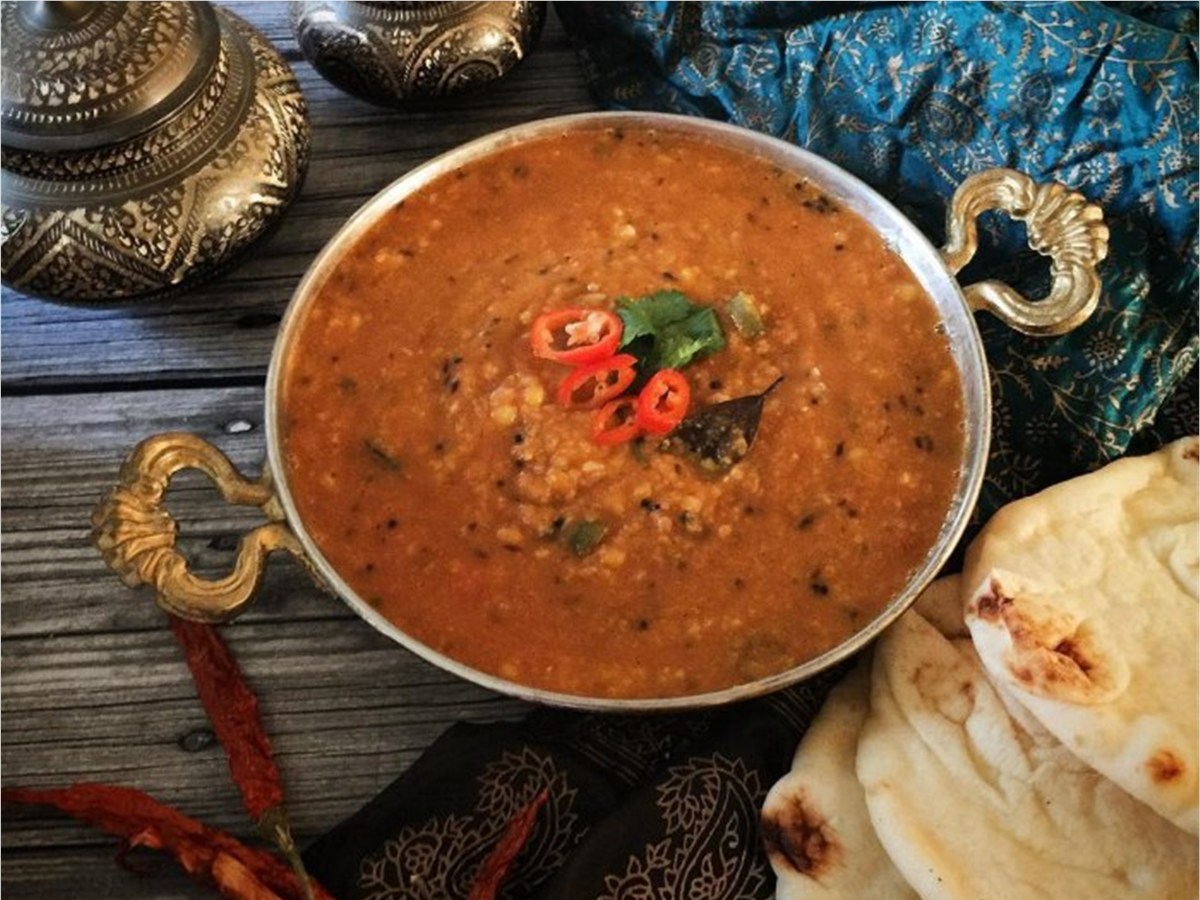
Golden coconut dal
Red lentils, ginger and coconut simmered into a deeply comforting bowl.
The joyful gluten-free guide
A generous guide to dishes, ingredients and everyday swaps for people with coeliac disease—made to answer the question: can I eat this?
Remember: “gluten-free” describes gluten content. It does not necessarily mean wheat-free.
Cook something brilliant
Every idea is built from naturally gluten-free ingredients or calls out the exact swap to check.
243 delicious ideas
Naturally GFRed lentils, ginger and coconut simmered into a deeply comforting bowl.
 Naturally GF
Herby chicken thighs over golden rice with peas, lemon and crisp edges.
 Naturally GF
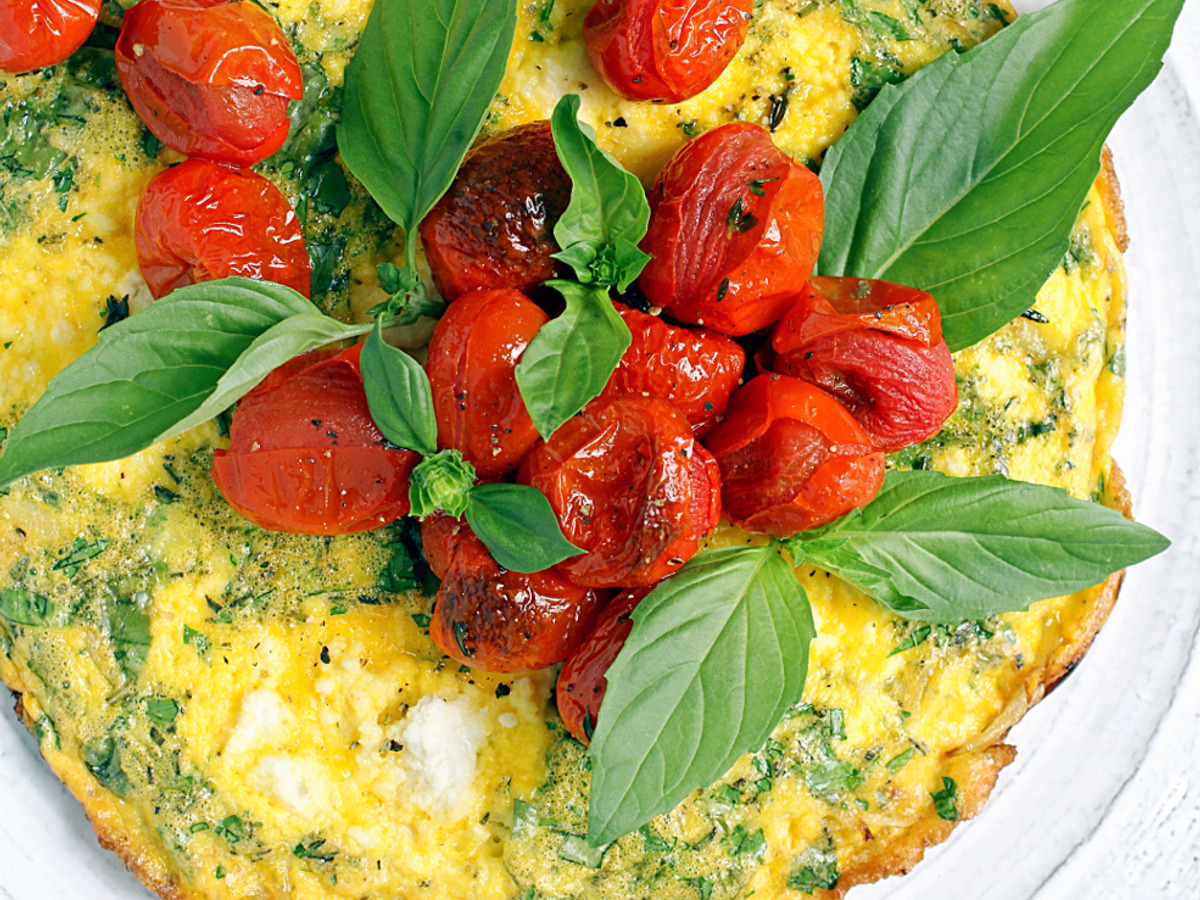
A soft-centred egg bake scattered with tomatoes, feta and garden herbs.
 Naturally GF
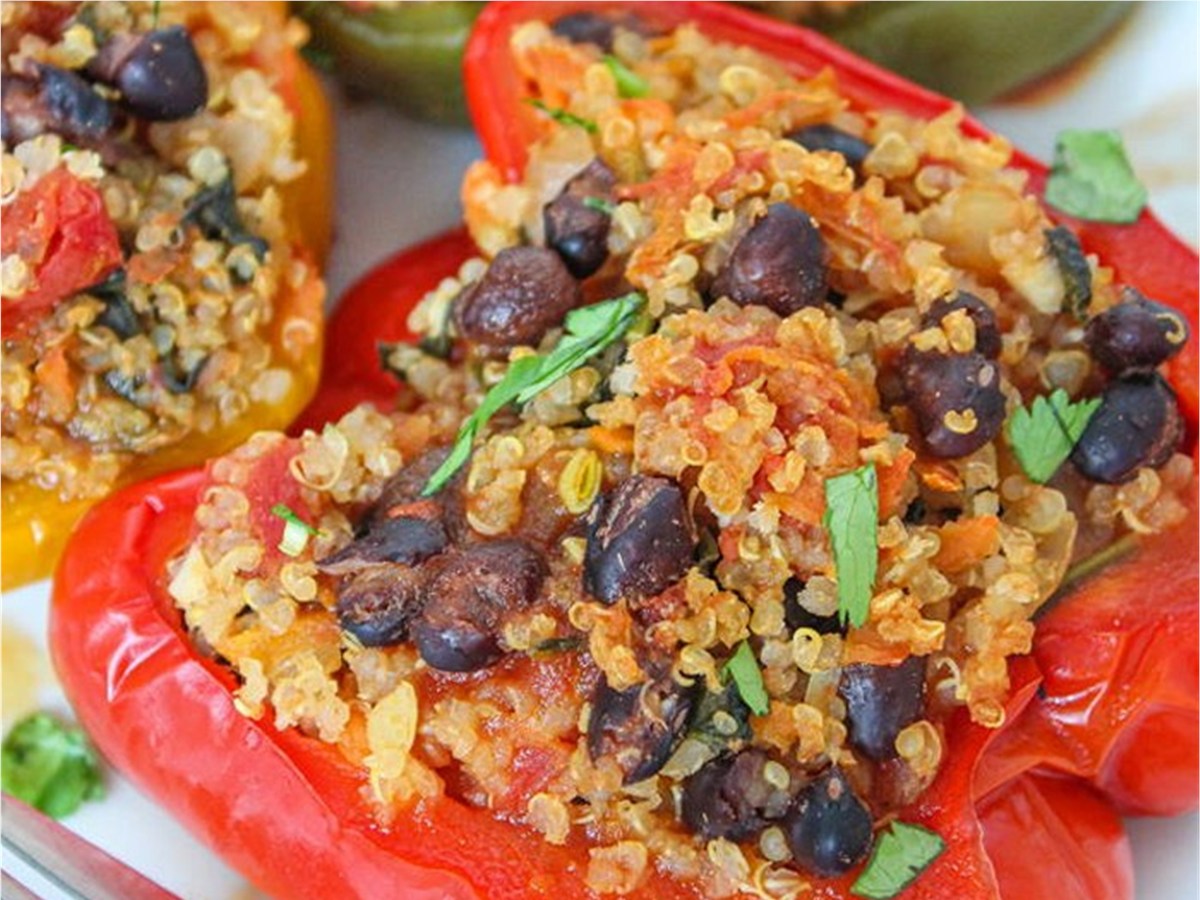
Quinoa, cucumber, herbs and pomegranate in a sharp lemon dressing.
 Naturally GF
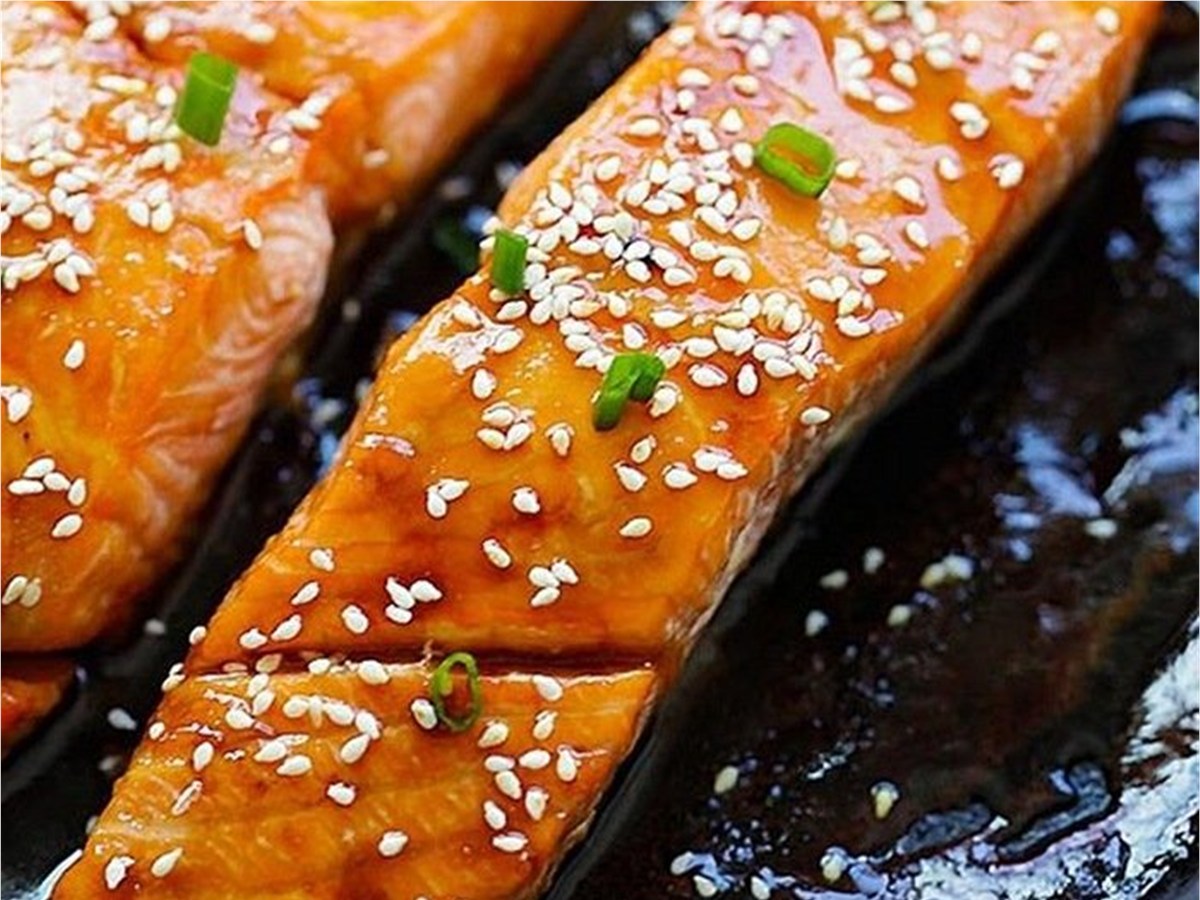
Flaky salmon, avocado, edamame and rice with a punchy herb dressing.
 GF swap
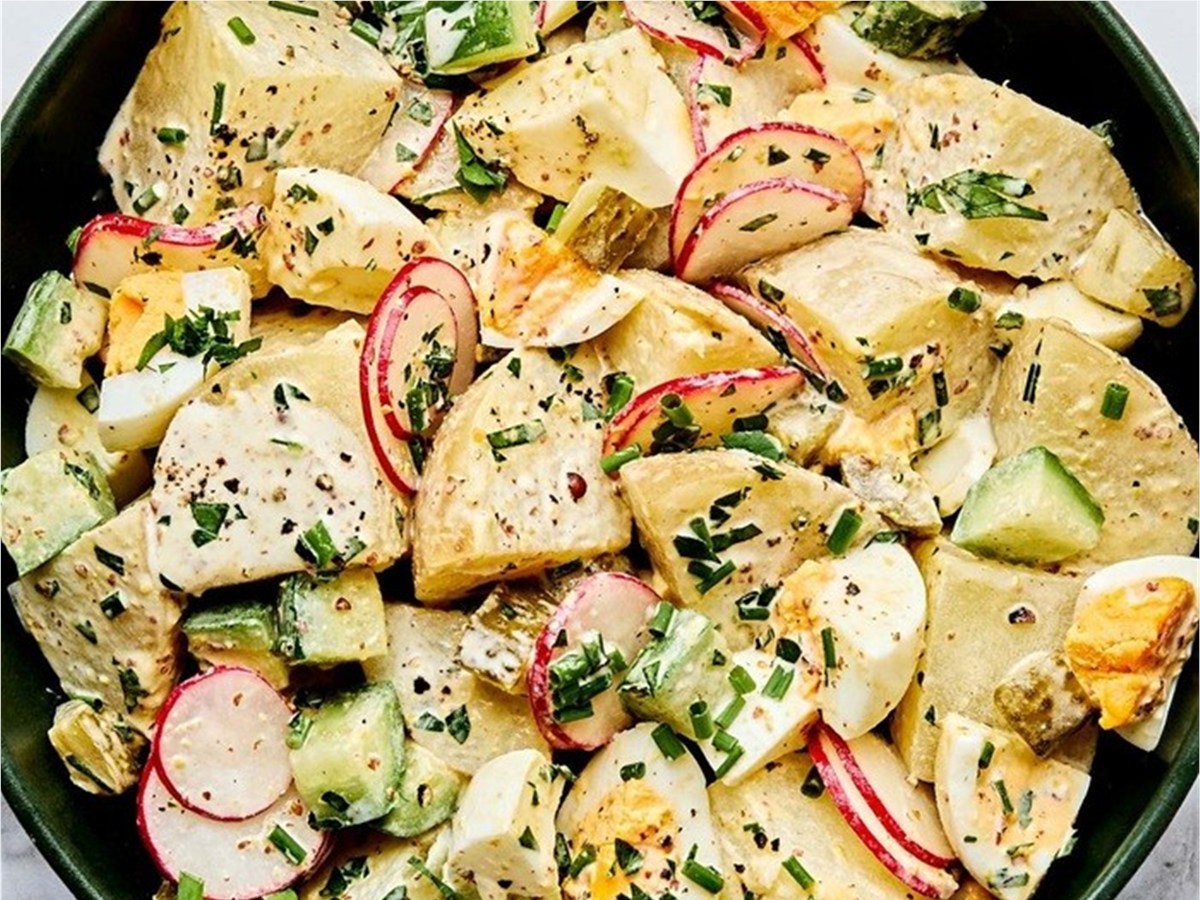
Craggy roast potatoes replace croutons in this big, satisfying salad.
 Naturally GF
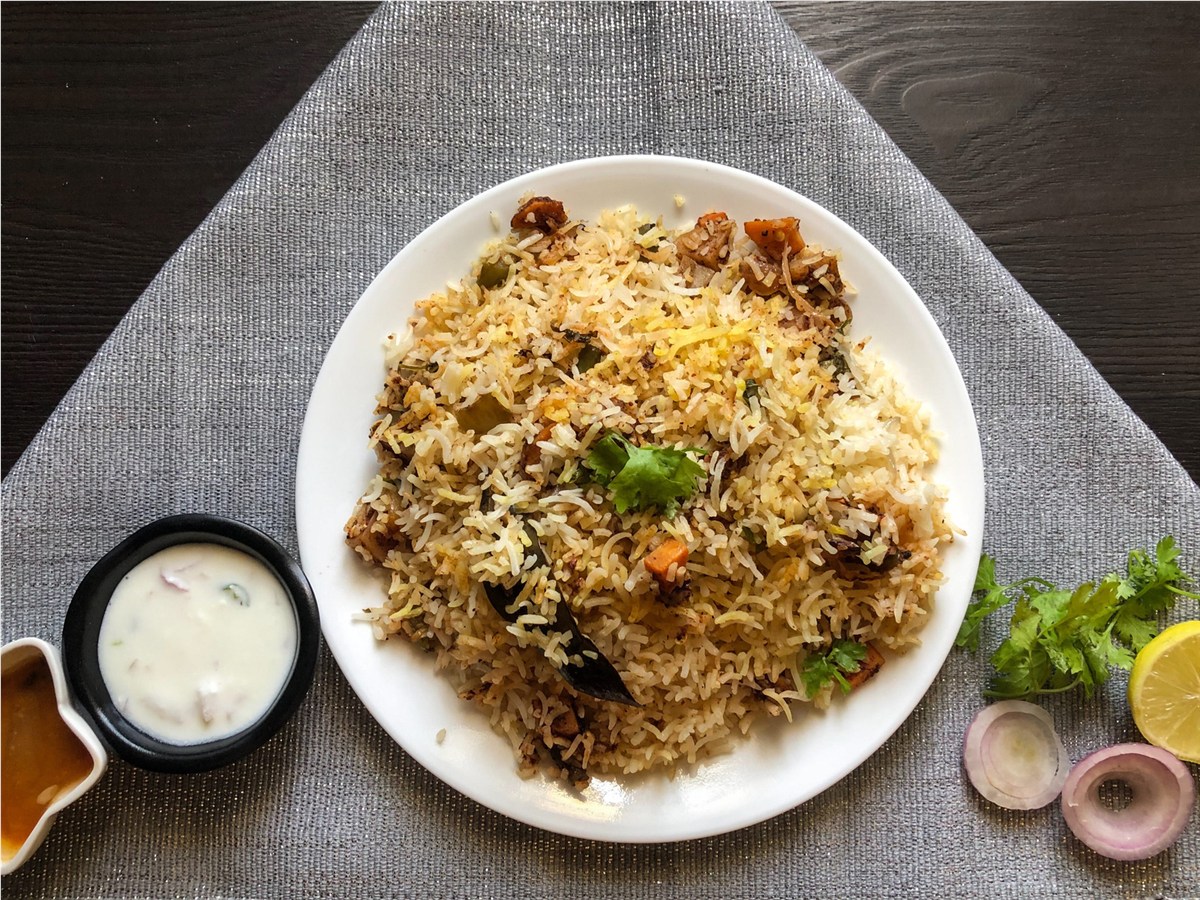
Fragrant basmati, roast vegetables and cashews with cooling cucumber.
 Naturally GF
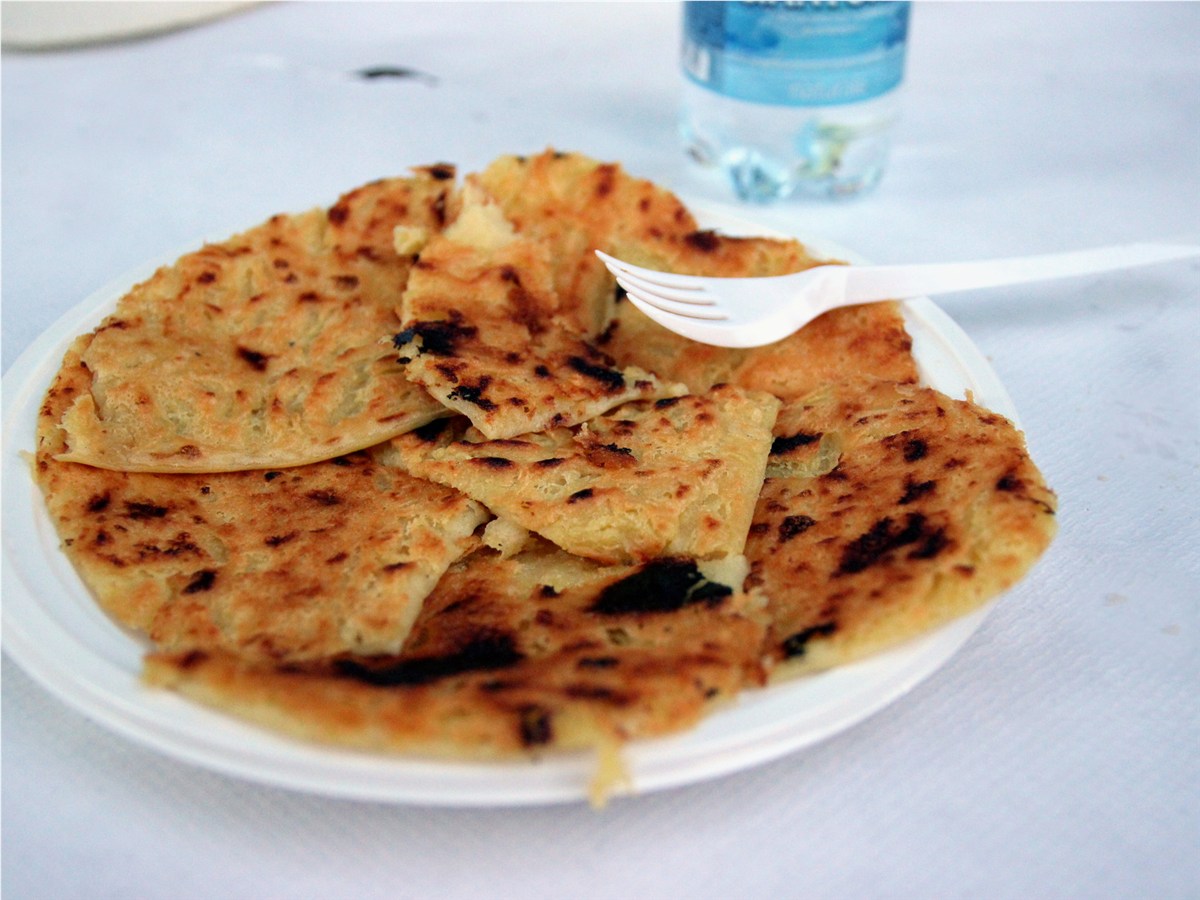
Lacy chickpea-flour wraps stuffed with smoky corn, slaw and lime.
 GF swap
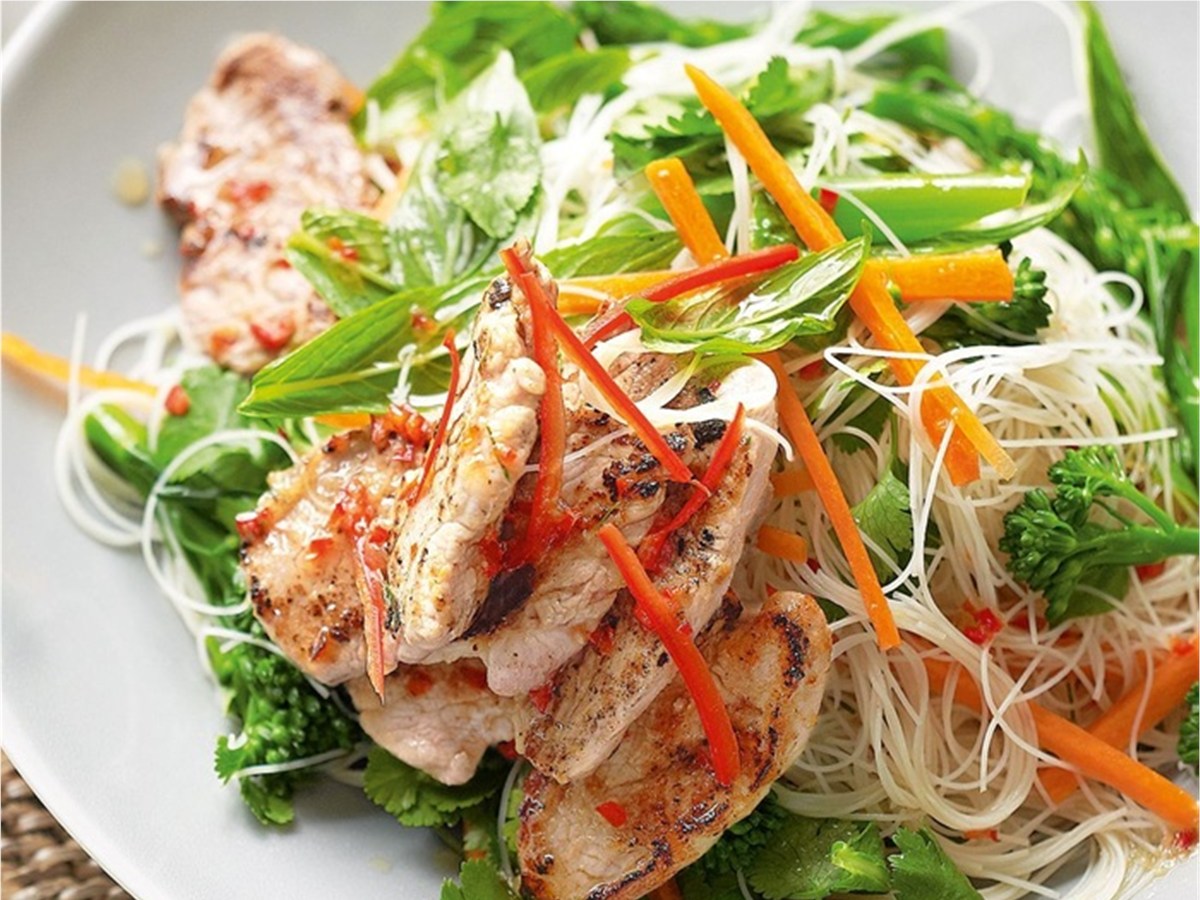
Slippery rice noodles with greens, sesame and a bright ginger sauce.
 Naturally GF
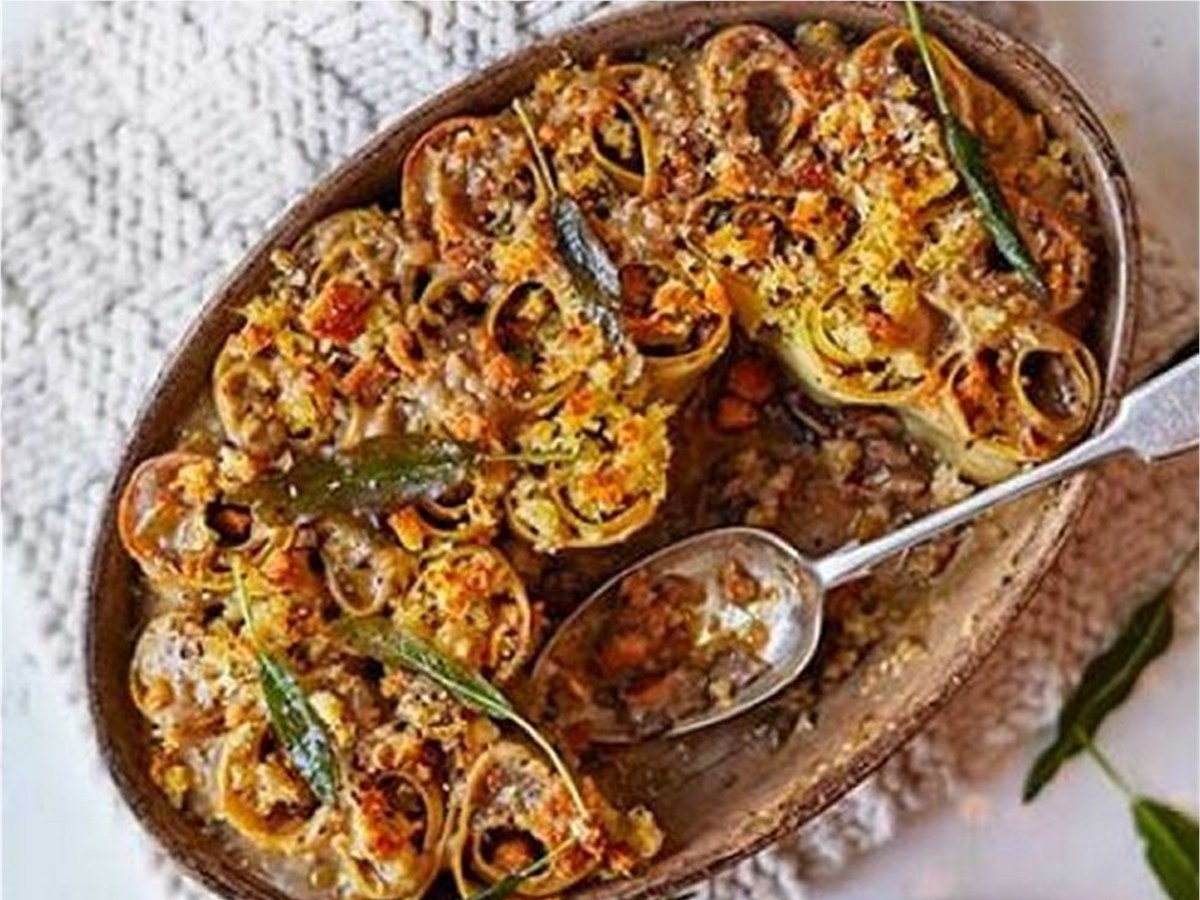
Creamy parmesan polenta under glossy, thyme-scented mushrooms.
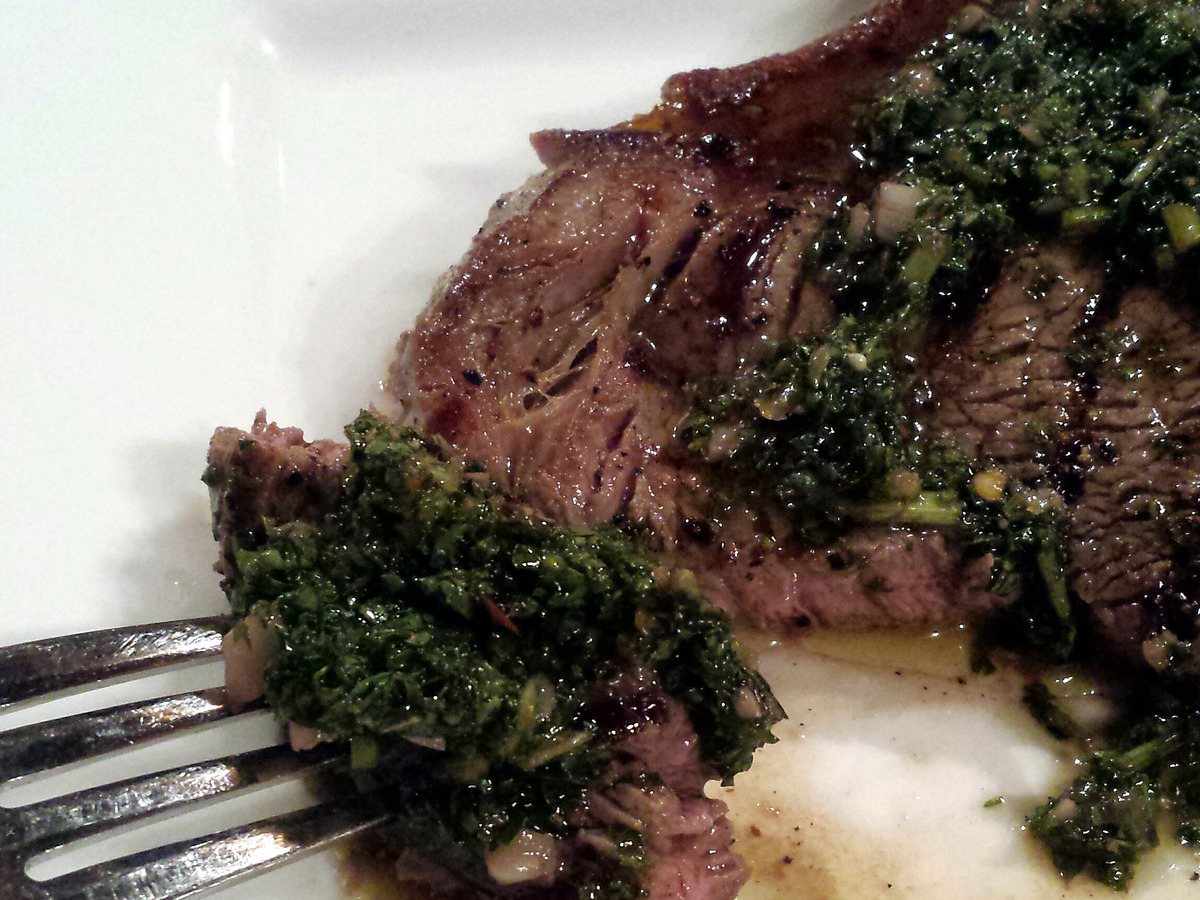 Naturally GF
Seared steak, peppery leaves and a vivid parsley-garlic sauce.
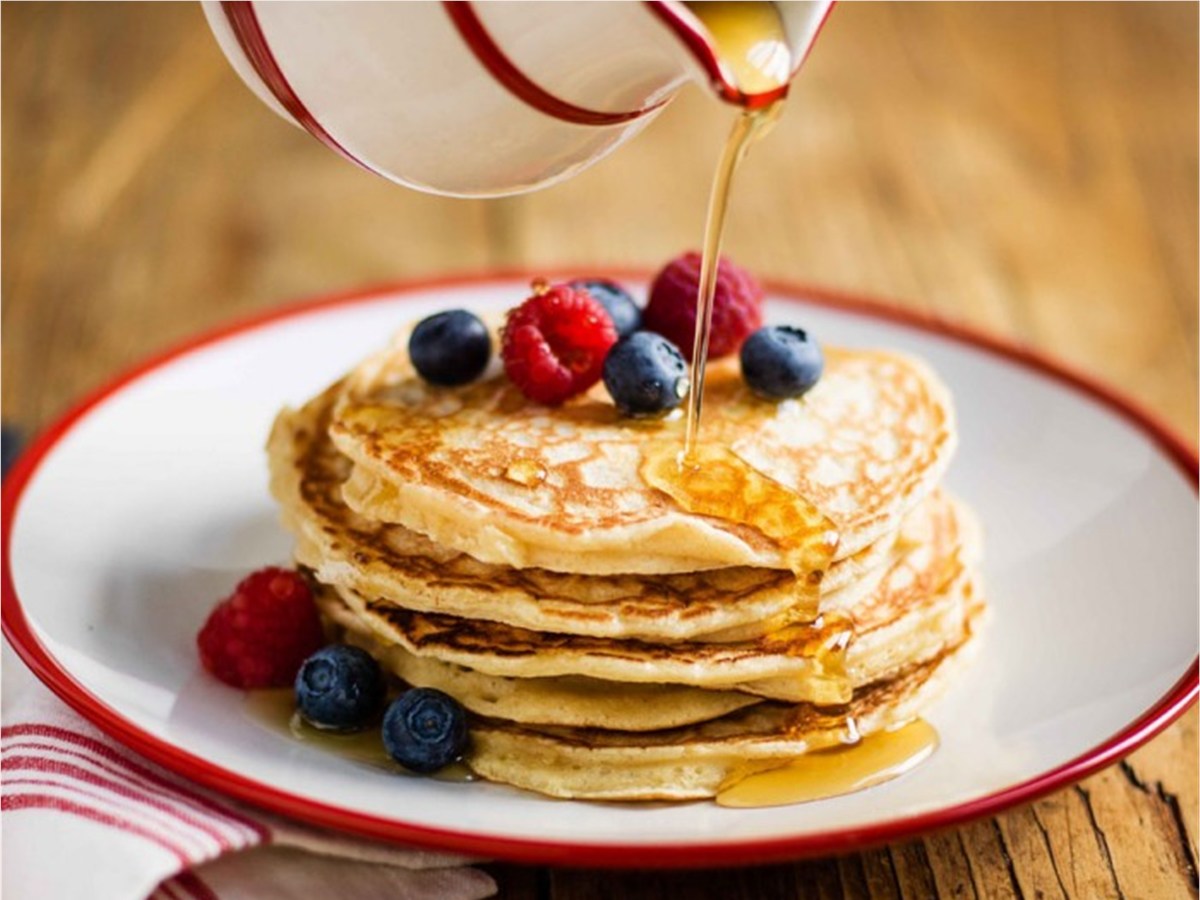 GF swap
Nutty, tender pancakes with warm berries and thick yoghurt.
Gluten-free dishes around the world
From Jamaican curry goat and Ghanaian jollof to Japanese oyakodon and Mexican pozole—each recipe includes the label checks needed for a coeliac kitchen.
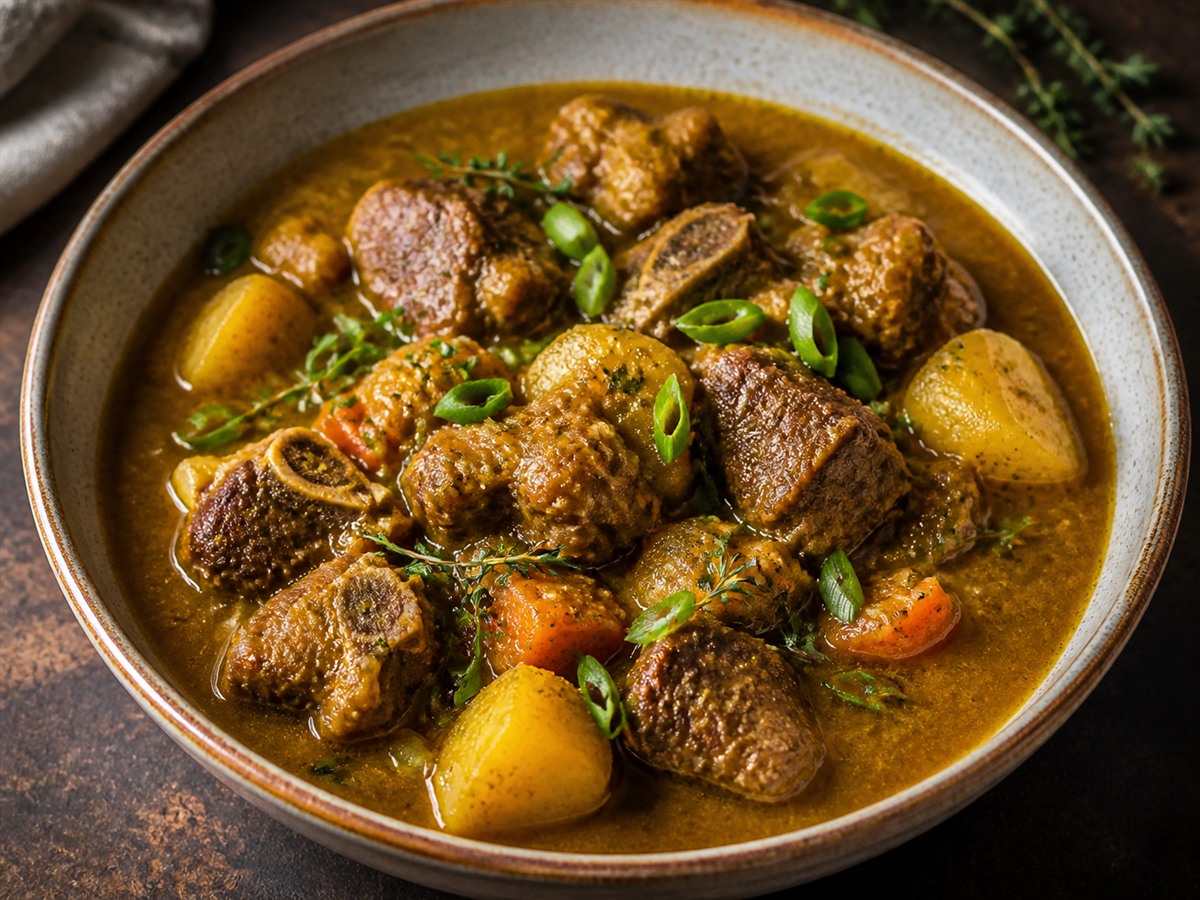
Slow-braised goat with Scotch bonnet, allspice, thyme and potatoes.
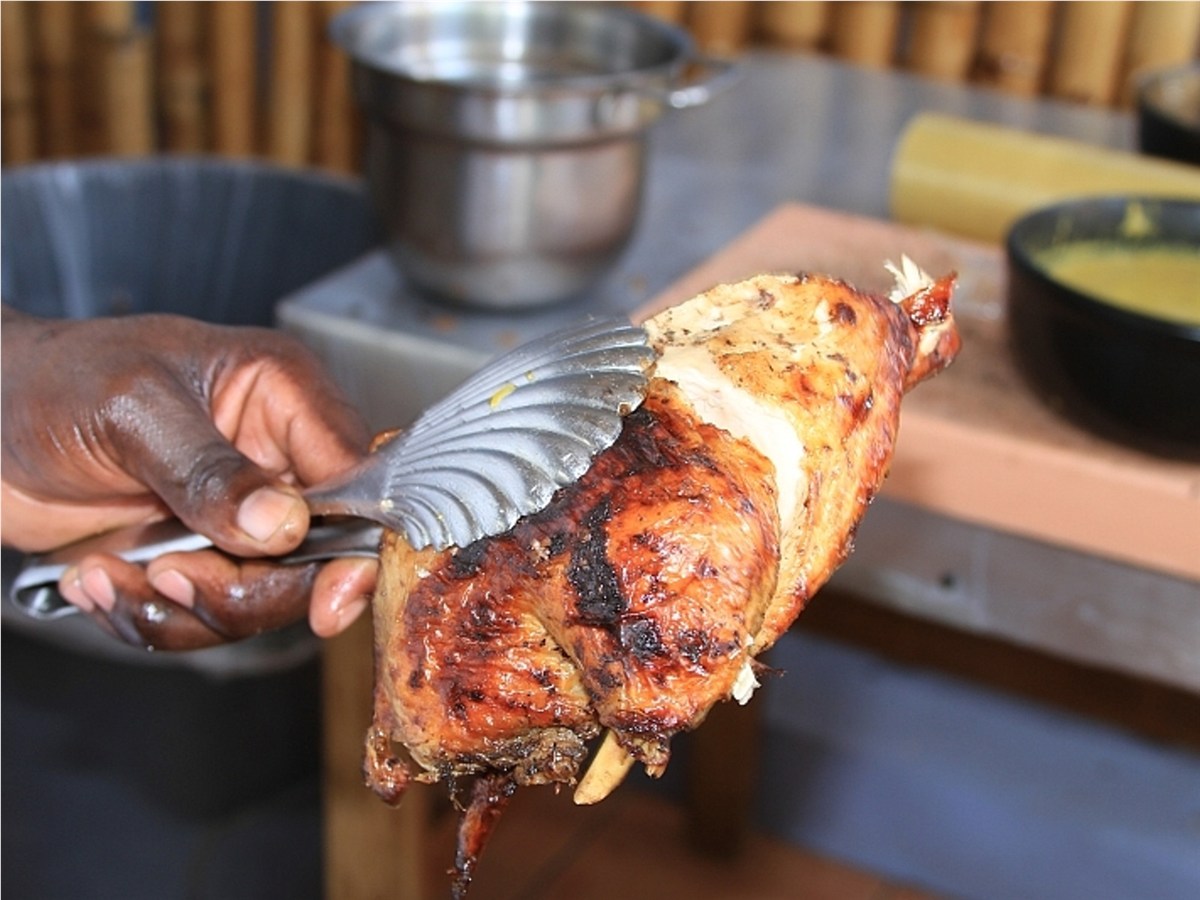
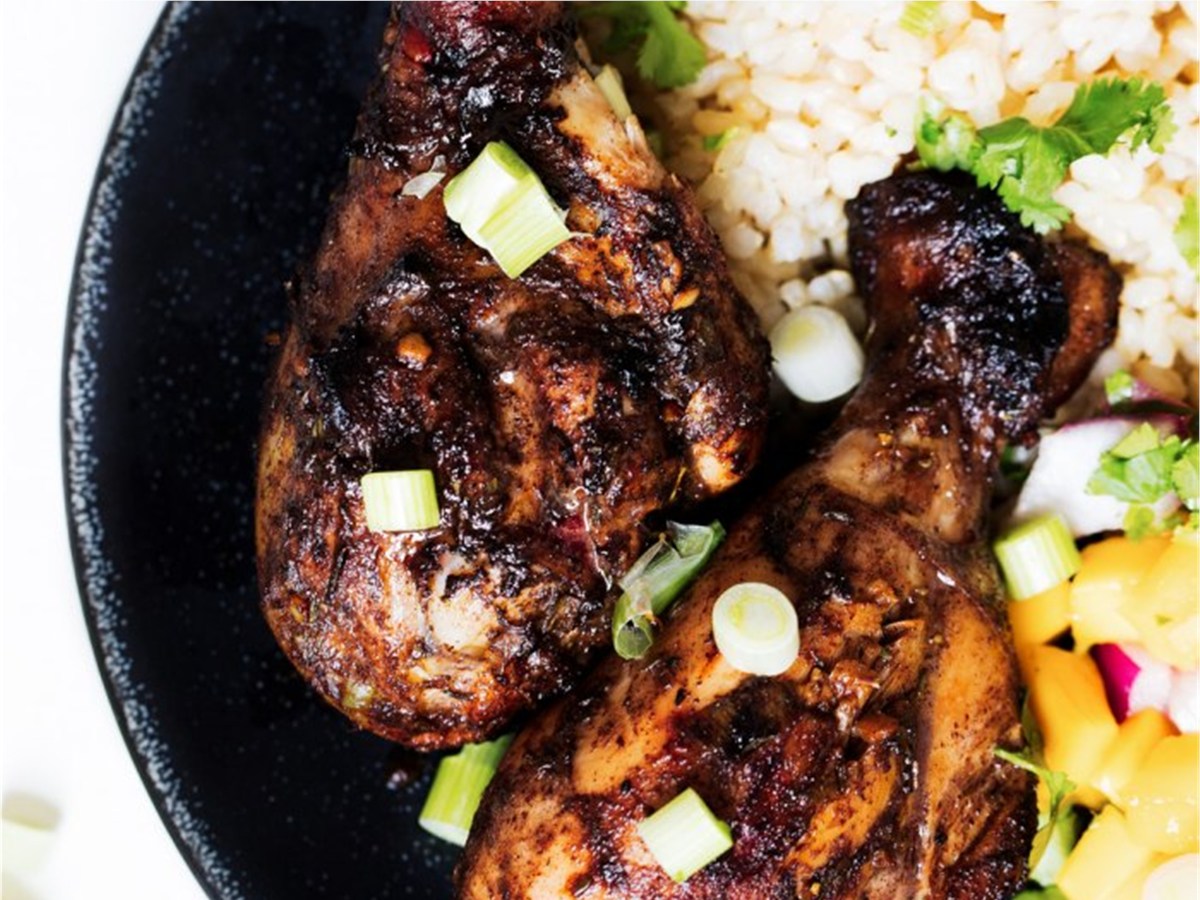
Charred chicken in a fiery, aromatic jerk marinade.
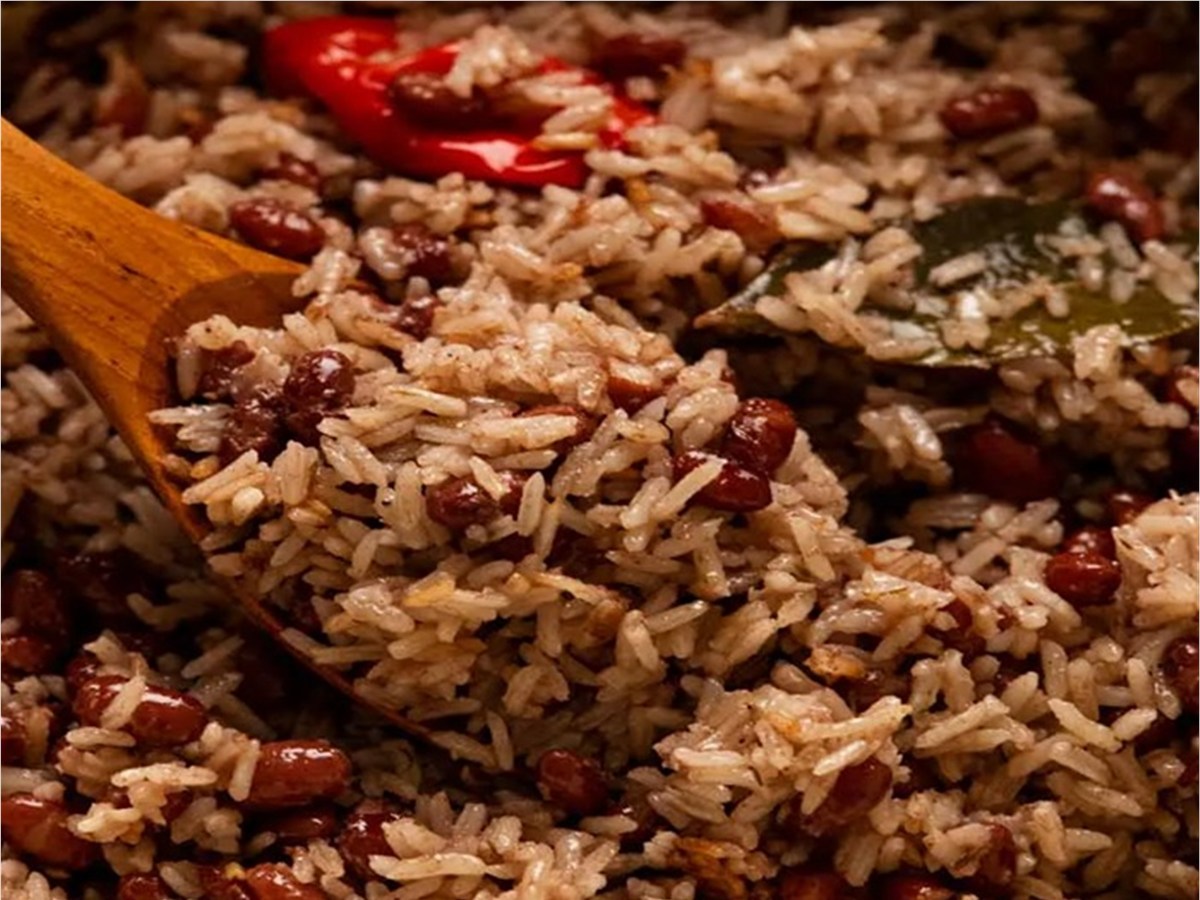
Coconut rice with kidney beans, thyme and gentle chilli.
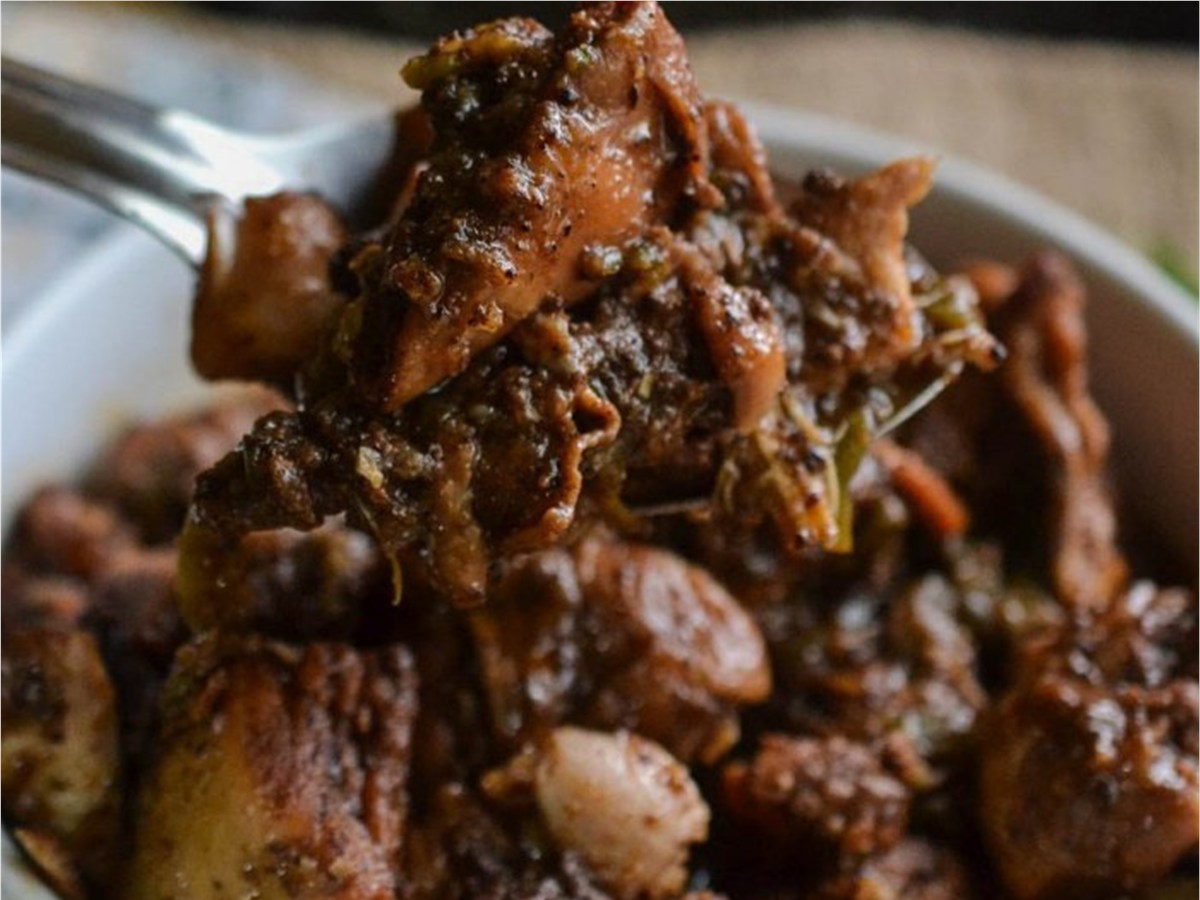
Deeply browned chicken simmered with peppers, thyme and tomatoes.
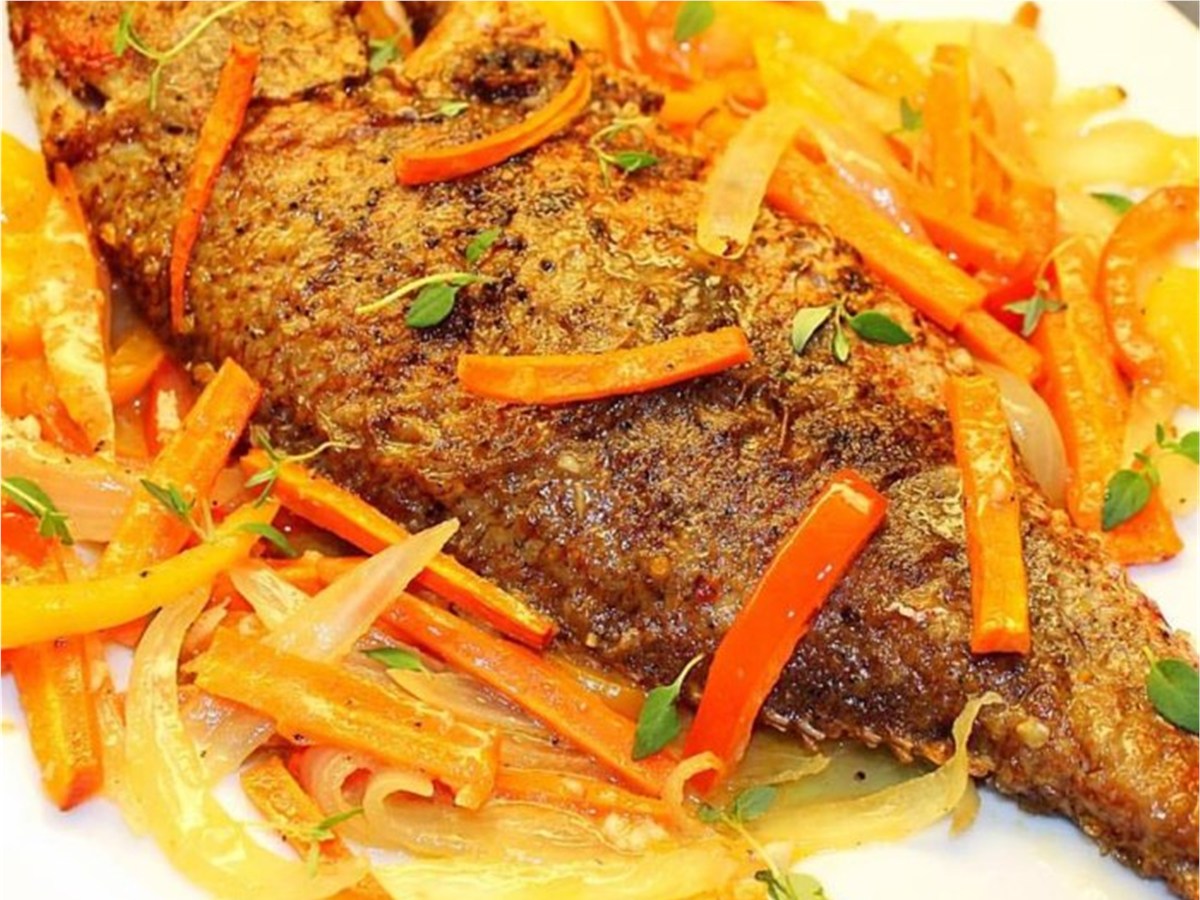
Crisp whole fish topped with sharp, spicy pickled vegetables.
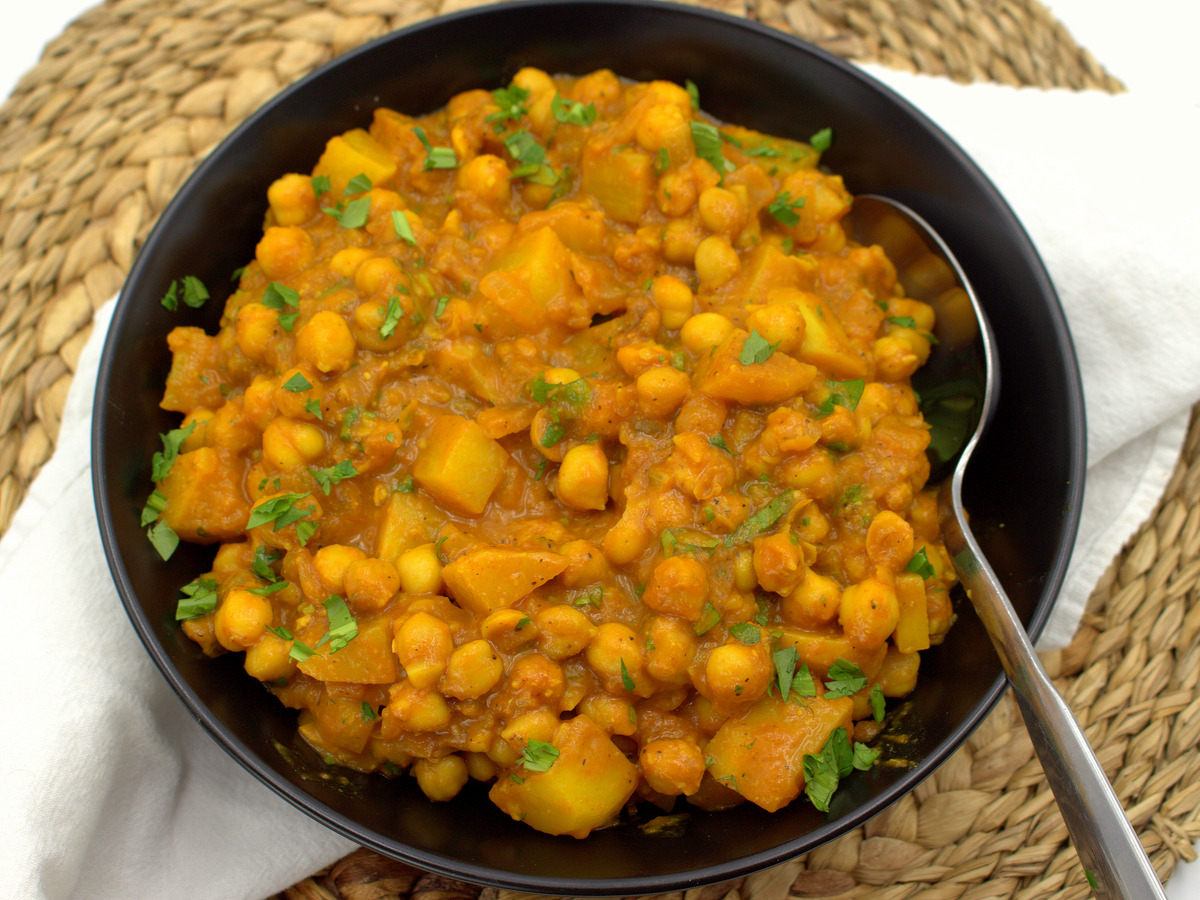
Chickpeas and potatoes in a fragrant Trinidad-style curry.
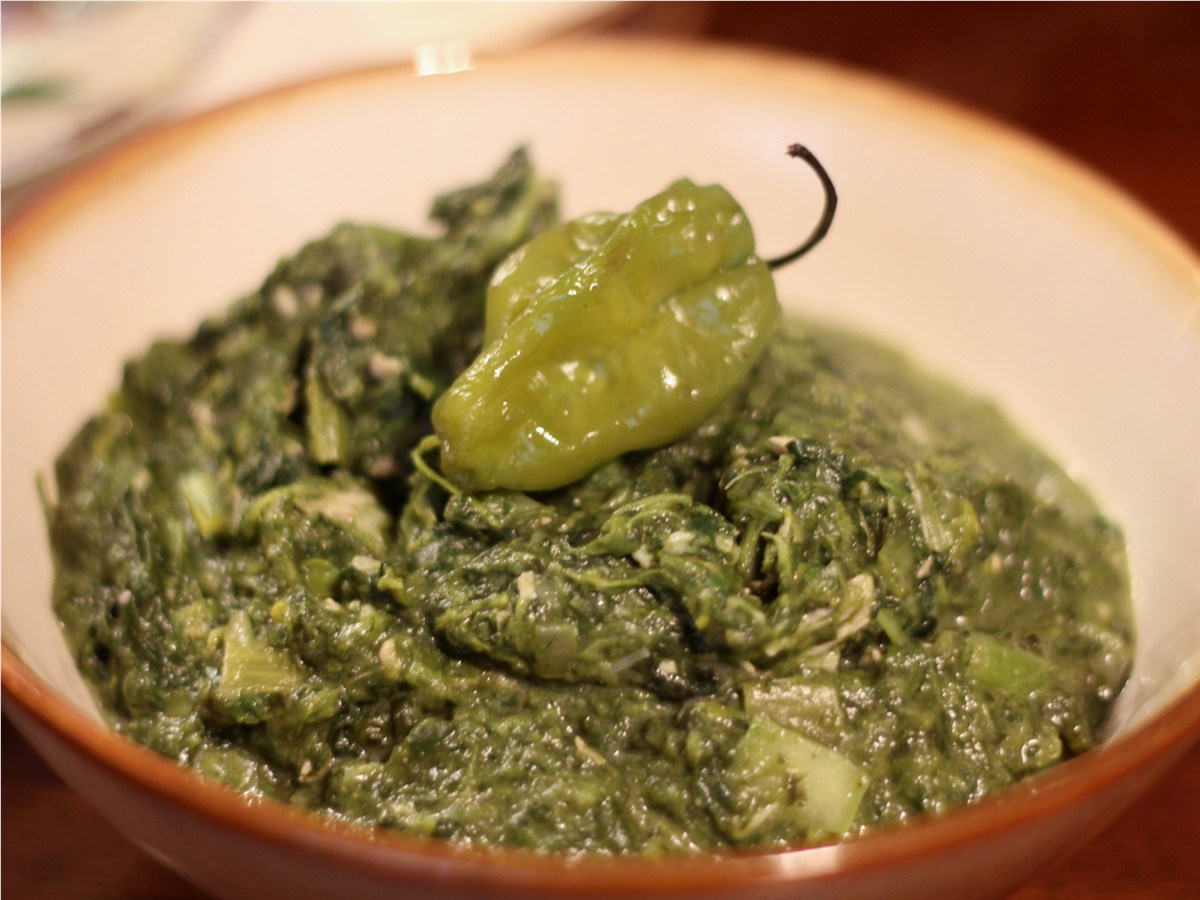
Silky greens cooked with coconut, okra, thyme and chilli.
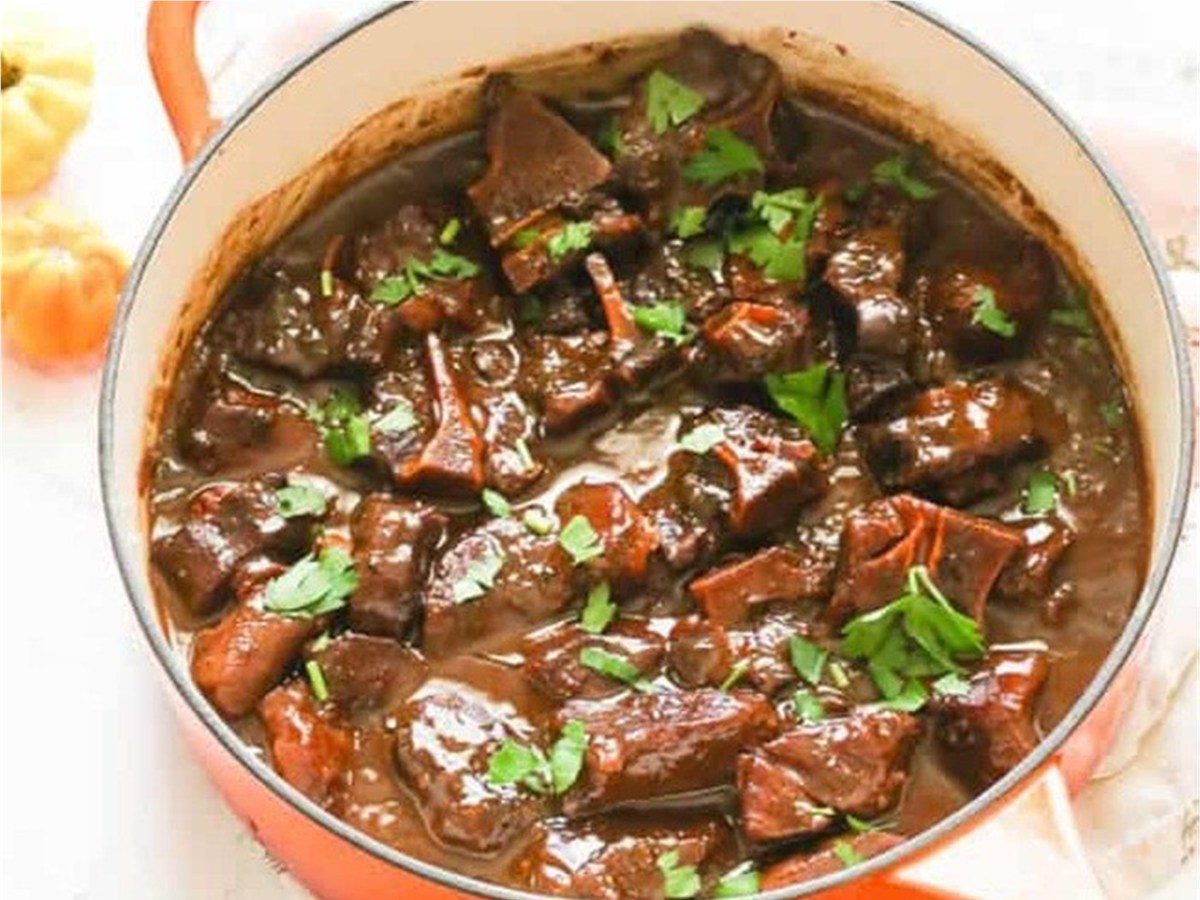
Slow beef with cassareep, orange, cinnamon and warming spice.
Know your cupboard
Search common ingredients and see what is naturally safe, what needs a closer label check, and what contains gluten.
All plain varieties are naturally gluten-free.
SafeFresh potatoes are safe; check seasoned or processed products.
SafeNaturally gluten-free in its plain form.
SafeRinse before cooking; choose labelled packs if cross-contact is a concern.
SafeDespite its name, it is not wheat. Choose flour labelled gluten-free.
SafeA naturally gluten-free whole grain.
SafeNaturally gluten-free and useful in flour blends.
SafeA tiny naturally gluten-free grain.
SafeCorn is safe, but check the pack for cross-contact warnings.
CheckOnly oats specifically labelled gluten-free; a small number of people react to avenin too.
CheckContains gluten, including ordinary wheat flour and wheatberries.
AvoidContains gluten; also look for barley malt and malt extract.
AvoidContains gluten.
AvoidA type of wheat; it is not gluten-free.
AvoidUsually made from durum wheat unless explicitly labelled gluten-free.
AvoidMade from wheat and contains gluten.
AvoidFresh, uncoated and unmarinated meat and fish are naturally gluten-free.
SafeNaturally gluten-free.
SafePlain pulses are naturally gluten-free; check added sauces.
SafePlain tofu is usually safe; marinades often contain ordinary soy sauce.
CheckRecipes vary and may contain rusk; choose products labelled gluten-free.
CheckMade from concentrated wheat gluten.
AvoidNaturally gluten-free without added flavours.
SafeCheese without added ingredients is naturally gluten-free.
SafeCheck cereal toppings, biscuit pieces and flavour additions.
CheckSome is wheat-free, some is not. Choose one labelled gluten-free.
CheckStandard soy sauce usually contains wheat; use gluten-free tamari instead.
AvoidIngredients vary widely; look for a gluten-free label.
CheckCheck the label, especially flavoured varieties.
CheckMay include barley or wheat; choose a gluten-free-labelled product.
CheckMade from barley and not suitable for a gluten-free diet.
AvoidPlain distilled vinegars are gluten-free; malt vinegar is the exception.
SafeChoose a product labelled gluten-free to rule out cross-contact.
CheckIn the UK this usually means corn starch; still check the label.
CheckPlain chocolate may be suitable, but check additions and may-contain warnings.
CheckSeasonings and factory cross-contact vary; read every packet.
CheckThe non-negotiables
Gluten-free food can become unsafe through crumbs, shared oil or unclear ingredients. Small routines make a real difference.
In the UK, look for emphasised wheat, rye, barley, oats, spelt and khorasan wheat. A gluten-free claim gives the clearest assurance.
Wash surfaces, pans and utensils with hot soapy water. Keep gluten-free food away from loose flour and crumbs.
Use clean oil or a separate fryer. Toaster bags or a separate toaster help, and clean cutlery keeps crumbs out of spreads.
Explain that it is a medical necessity. Ask about separate preparation, fryers, grills, sauces and garnishes before ordering.
A tiny restaurant script
“I have coeliac disease, so my food needs to be gluten-free and protected from cross-contamination. Could I speak to the manager or chef about what is safe?”
Shared oil can carry crumbs from battered or breaded foods.
Ask about clean pans, grills, utensils and preparation surfaces.
Stocks, soy sauce, spice mixes and garnishes are easy places for gluten to hide.
Keep learning
This site offers practical inspiration, not medical care. For diagnosis, symptoms or nutrition advice, speak with your clinician or registered dietitian.